NASA Technolog  Developed for a Hostile Environment
Battles Another Hostile Environment Here on Earth


Card image cap
Climate Change -
Energy Conservation

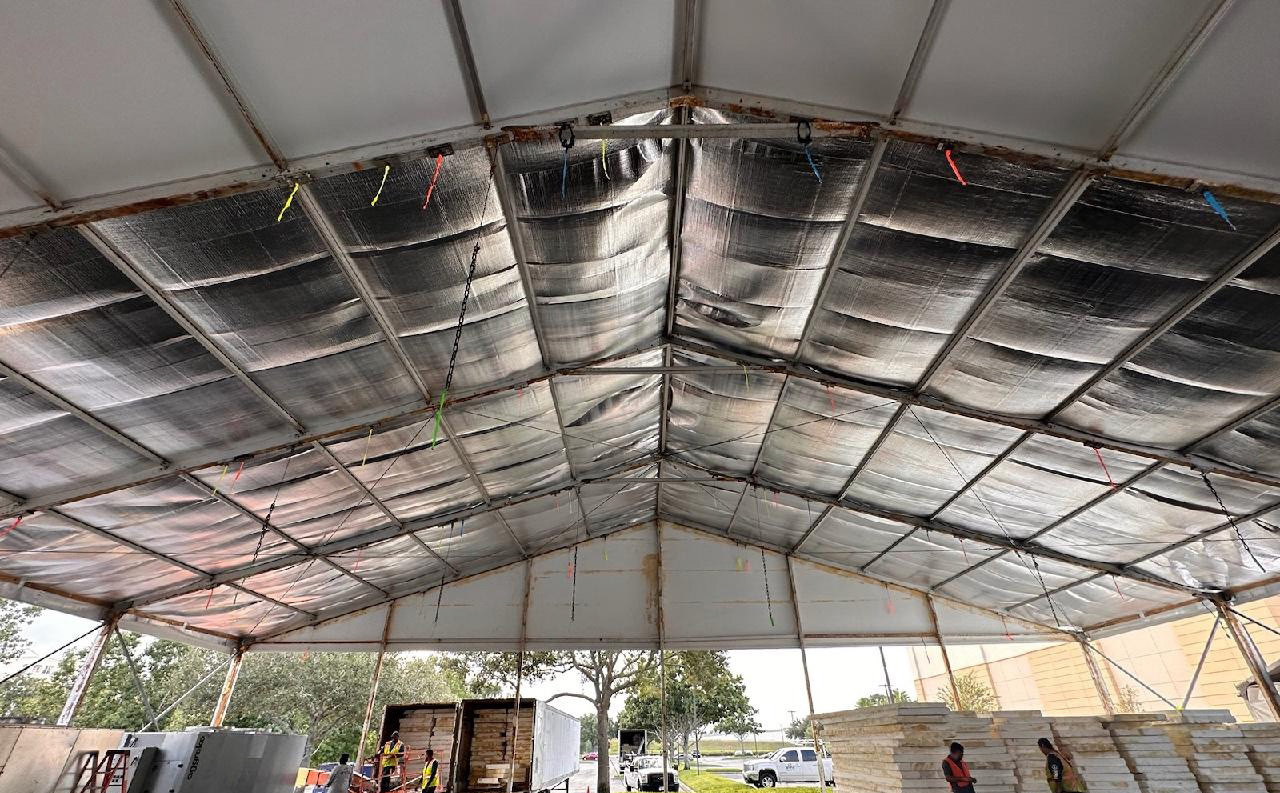
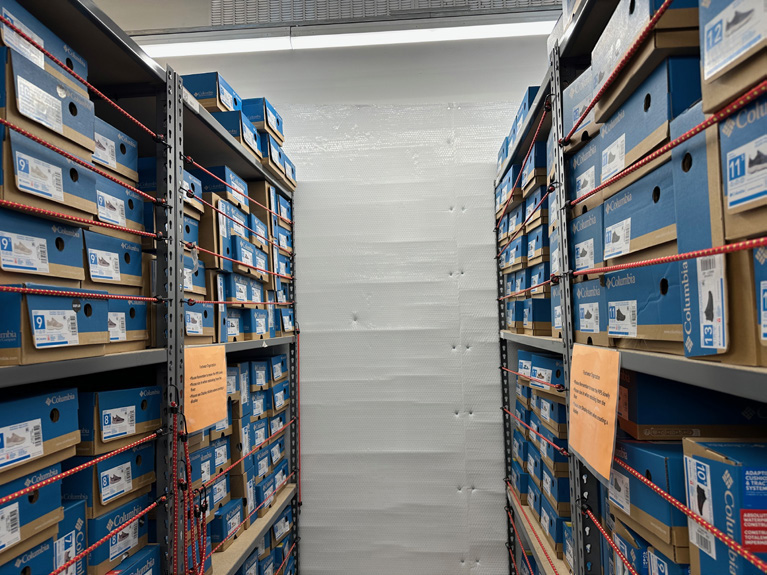
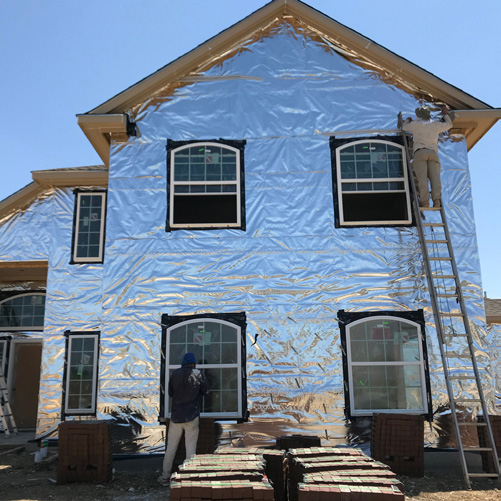
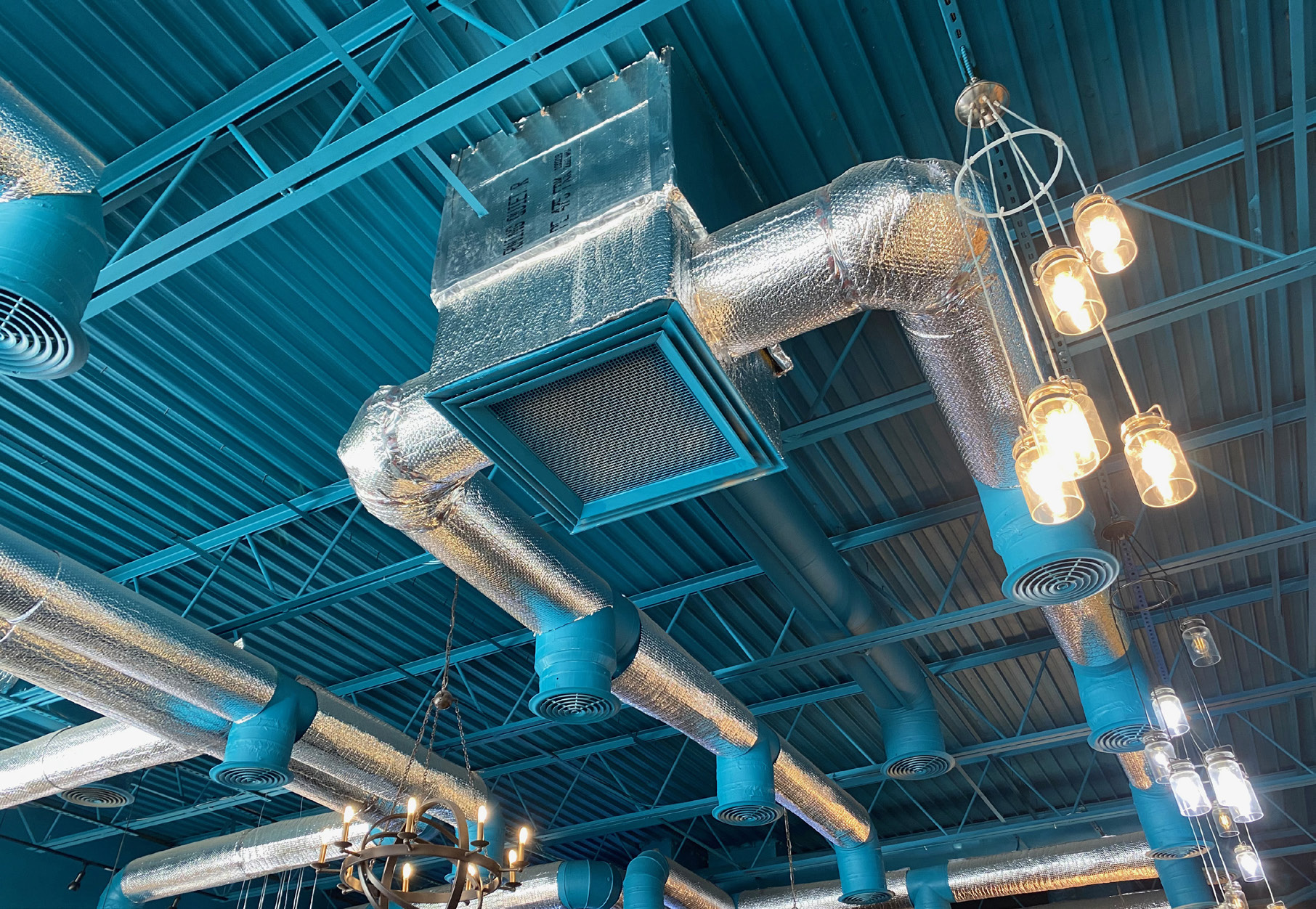
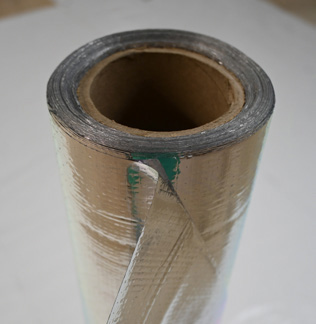
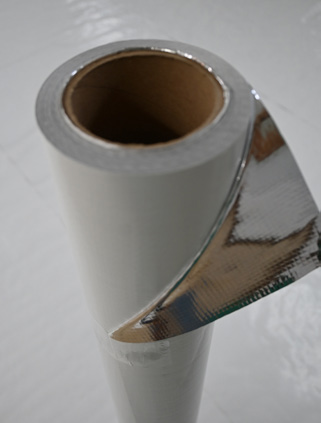
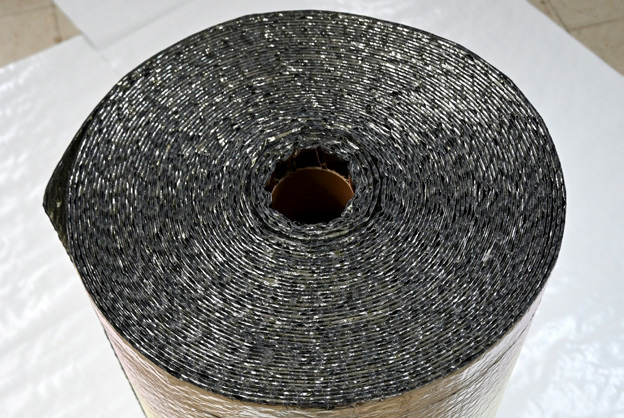
Keeping indoor spaces comfortable is becoming more expensive by the day. By blocking 97% of radiant heat, RB Shielding creates an impenetrable thermal barrier that cuts energy consumption and utility bills by up to 50%.

The savings extend far beyond your monthly power bill. By stopping heat at the source, RB Shielding reduces HVAC workloads and run times.

Your AC equipment runs less, stays cooler, and experiences significantly less wear and tear—extending its operational lifespan and minimizing premature replacement costs.

More info
Card image cap
RFID and EMWs -
Data Center Transmissions

Electronic components within data centers, including power distribution systems, servers, cooling systems, and networking equipment, generate non-ionizing electromagnetic fields (EMFs) as a part of normal operation.

Large data centers also require extensive electrical infrastructure build-outs, including high-capacity substations, transformers, switchgear, and transmission corridors (new powerlines). The new and expanded electrical transmission towers and power lines often cut through neighborhoods, parks, and conserved land.

As data center energy demand grows, so does the scale of the surrounding electrical infrastructure, increasing community exposure to EMFs.

More info
Card image cap
Drone Surveillance -
Unauthorized Intrusions

Drones are indispensable tools across many industries. However, their widespread availability and potential for misuse introduce serious safety, security, and privacy risks.

From stadiums and airports to critical infrastructure, schools, corporations, and disaster zones, unauthorized or careless flights can disrupt operations, expose sensitive information, endanger lives, or facilitate malicious activity. These growing threats highlight an urgent need for robust safety practices and clearer regulations. While not all drones are inherently dangerous, their presence raises vital security considerations.

Most security teams focus on two-dimensional protection like fences, gates, and walls. Drones introduce a third dimension that organizations must actively integrate into both their physical and cybersecurity strategies.

More info

Content for Accordion Panel 2
Card image cap
High Humidity - Mold Affects
Structural Integrity

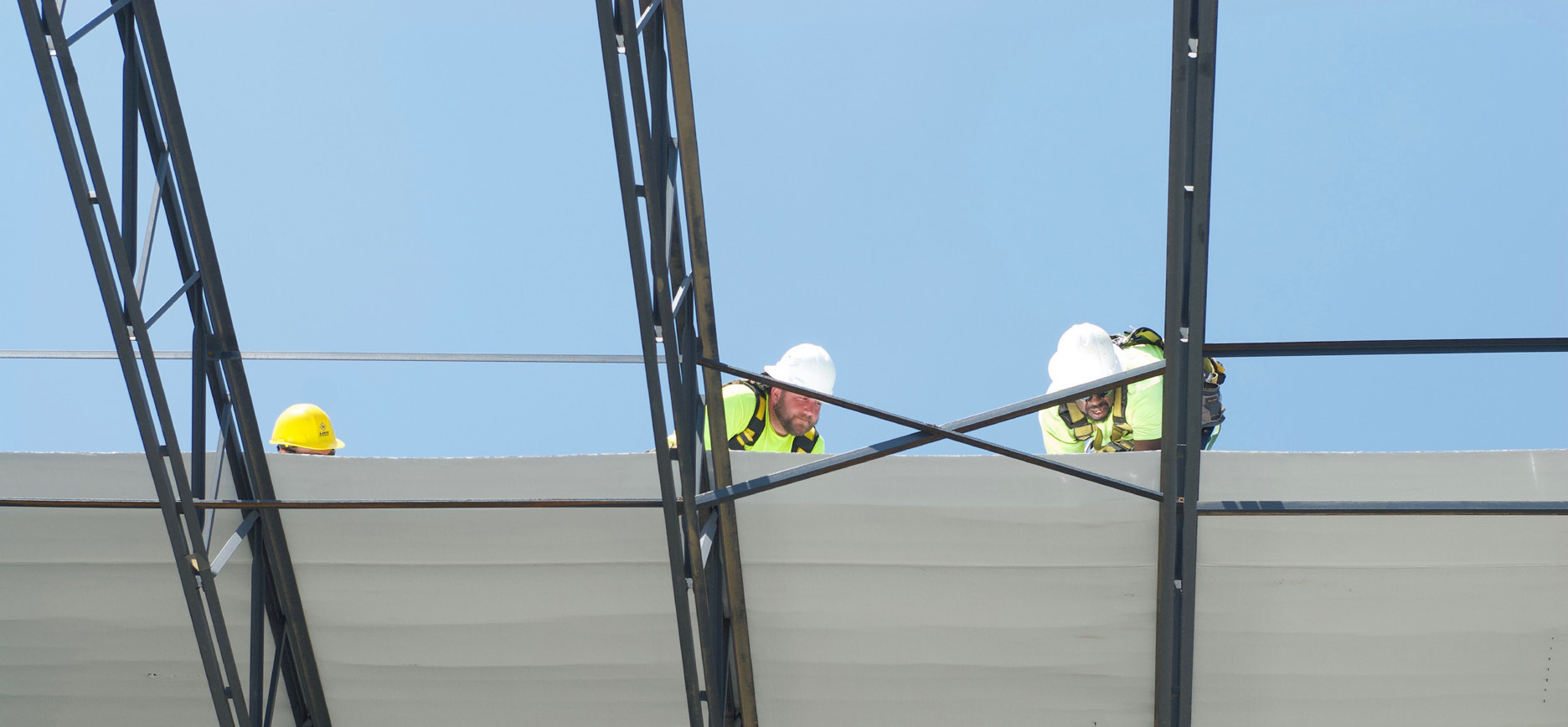
Buildings suffer structural damage when high humidity permeates building envelopes. If structural framing remains damp for just a few days, mold colonies quickly establish themselves and begin releasing airborne spores.

Mold thrives when relative humidity climbs above 60%. Wood-rotting fungi require relative humidity levels of roughly 75% or higher to actively decay timber. RB Shielding creates conditioned spaces lowering humidity levels.

As outdoor summers become hotter and winters grow warmer, the massive temperature differentials between hot, humid outdoor air and cold indoor air create unexpected condensation inside wall cavities, hidden plumbing chases, and crawlspaces.

More info
Card image cap
Animal Health - Commodity
Costs and Production Yields

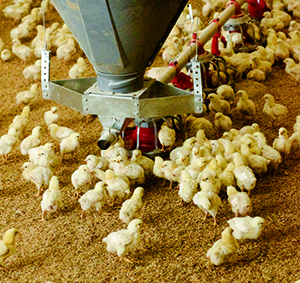
Enclosed metal structures and pole barns often act as thermal traps. This phenomenon - the 'Black Globe Effect' - occurs when solar radiation superheats the building material, radiating intense heat downward onto livestock.

Animals trapped in this environment redirect their metabolic energy away from growth to focus entirely on staying cool.

Overheated animals consume excess water and experience depressed feed efficiency. Regulating the building's temperature stabilizes intake patterns, saving thousands in monthly resource cost.

Installing RB Shielding creates a stable climate that lowers commodity consumption, limits the need for medical intervention, and prevents catastrophic herd and flock losses.

More info
Card image cap
'NextGen Networks' Intercept
WiFi and Bluetooth Signals

Drones can intercept financial data by serving as mobile cyber-espionage platforms. Rather than executing direct airborne hacks, cybercriminals use drones to bypass physical perimeters and deploy eavesdropping hardware near financial institution networks.

Key threat vectors include Network Interception, Rogue Access Points, Short-Range Exploit, and Air-Gap Exfiltration. Hackers utilizing optical or electromagnetic sensors to read malware-infected, isolated screens through office windows.

This threat is active. A major U.S. financial firm recently disrupted a breach attempt after discovering two modified drones on its roof. The devices carried mini-computers, 4G modems, and network-interception tools configured to steal remote-worker credentials.

More info

tellmemore@rbshieldsme.com • 682-401-3276